
Lilac Hills is a comprehensive acquisition and rehabilitation project that revitalized a
large, aging multifamily housing campus originally constructed in the 1970s. The scope
of work addressed significant building, site, and systems deficiencies while modernizing
units and common facilities to meet contemporary housing standards, sustainability
goals, and regulatory requirements. The project required a high level of technical
coordination due to its scale, environmental conditions, and layered financing structure.
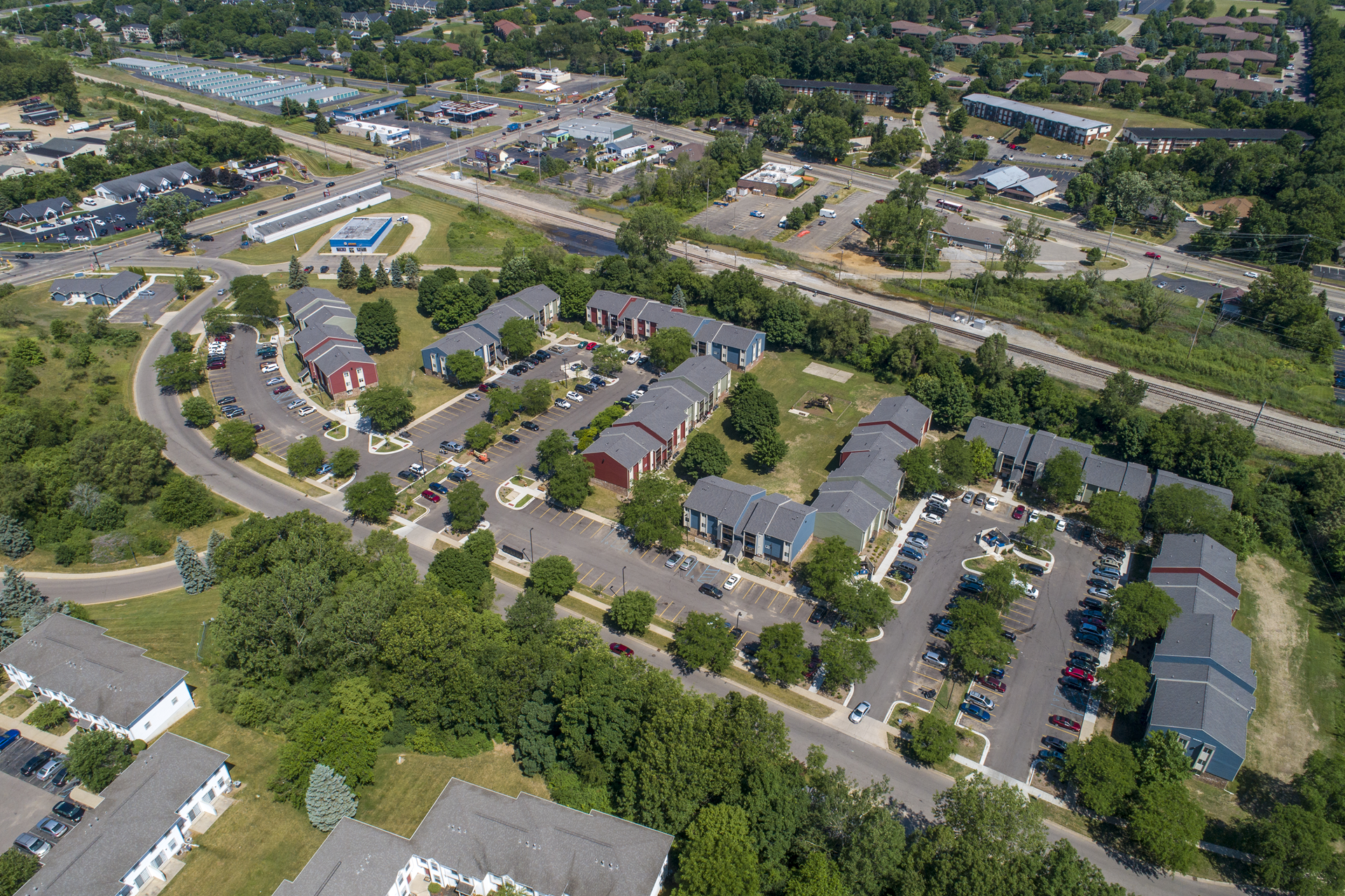
The campus consists of seven residential apartment buildings totaling 165 units, along
with a community and administration building and a separate maintenance building and
garage. A major component of the project included an addition to the existing
community building to provide properly sized administrative offices, meeting rooms, and
expanded community spaces. This addition improved operational efficiency and
enhanced resident access to services and programming.
Environmental conditions presented notable challenges. Asbestos-containing materials
were identified in the drywall joint compound, significantly complicating the demolition
and interior renovation process. The project required detailed environmental
assessments, abatement planning, and close coordination with licensed abatement
contractors to ensure compliance with federal, state, and local regulations. Construction
sequencing and phasing were carefully managed to protect residents, workers, and the
project schedule during remediation activities.
Significant site improvements were implemented to enhance safety, accessibility, and
overall quality of life. These included a complete reconfiguration of the parking lot and
extensive rehabilitation of the exterior courtyards. New pedestrian walkways were
installed, and outdoor furniture was added to create usable, welcoming outdoor spaces
that encourage resident interaction and community engagement.
Exterior building improvements were extensive and included replacement of exterior
entry doors, windows, roofing, and siding. New canopies were added over exterior entry
stairs to improve weather protection and accessibility. These upgrades improved
building performance, durability, and curb appeal while extending the useful life of the
structures.
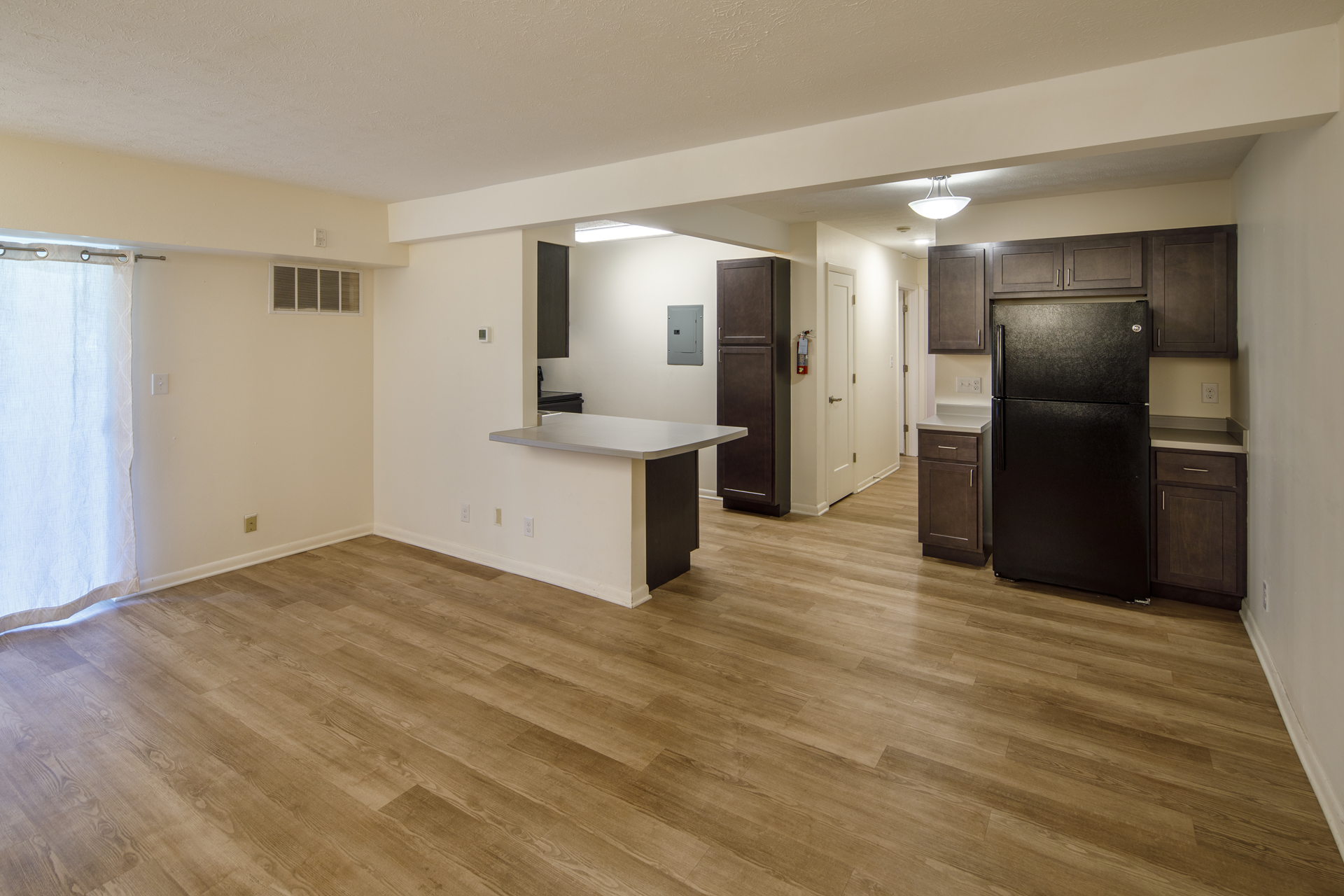
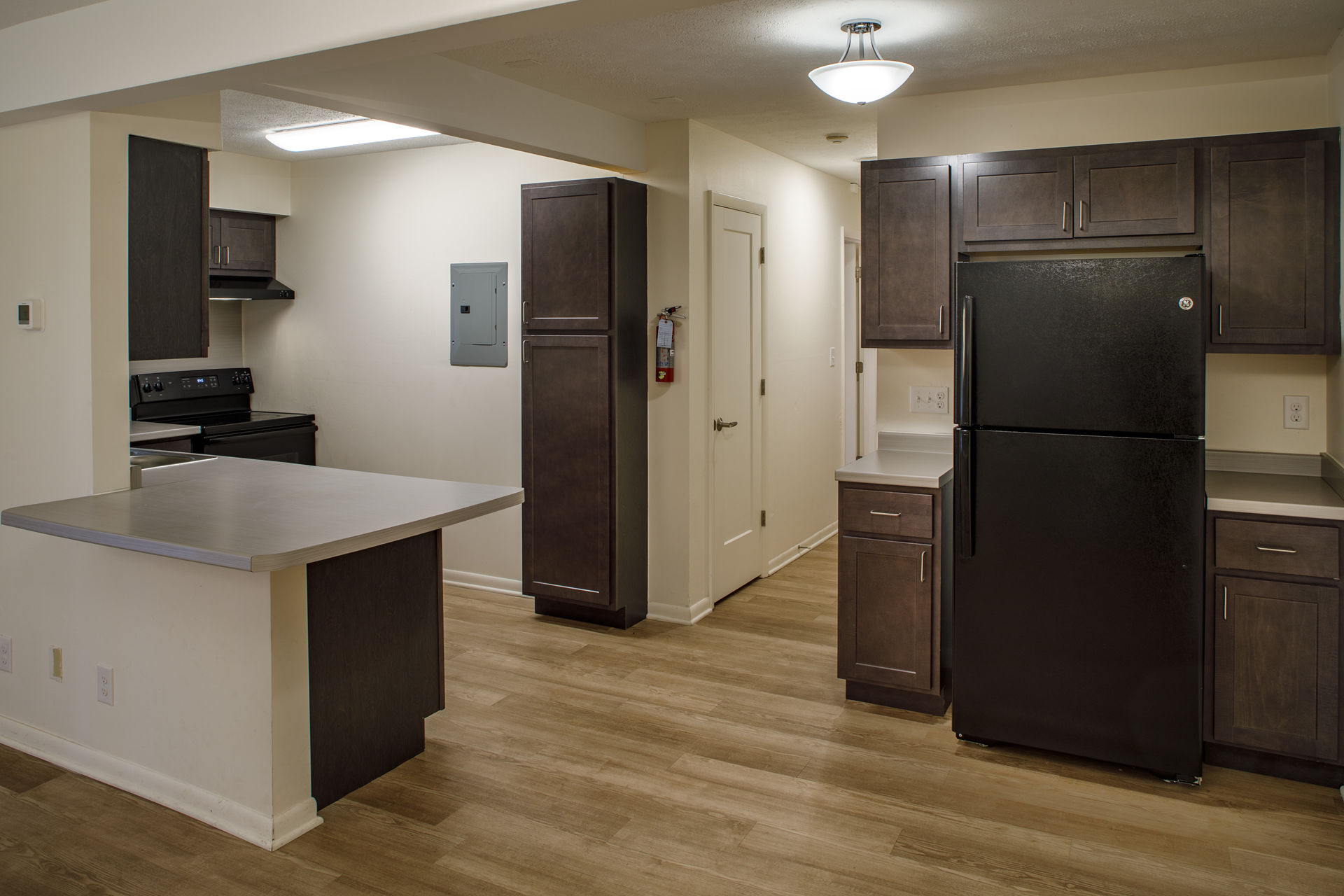
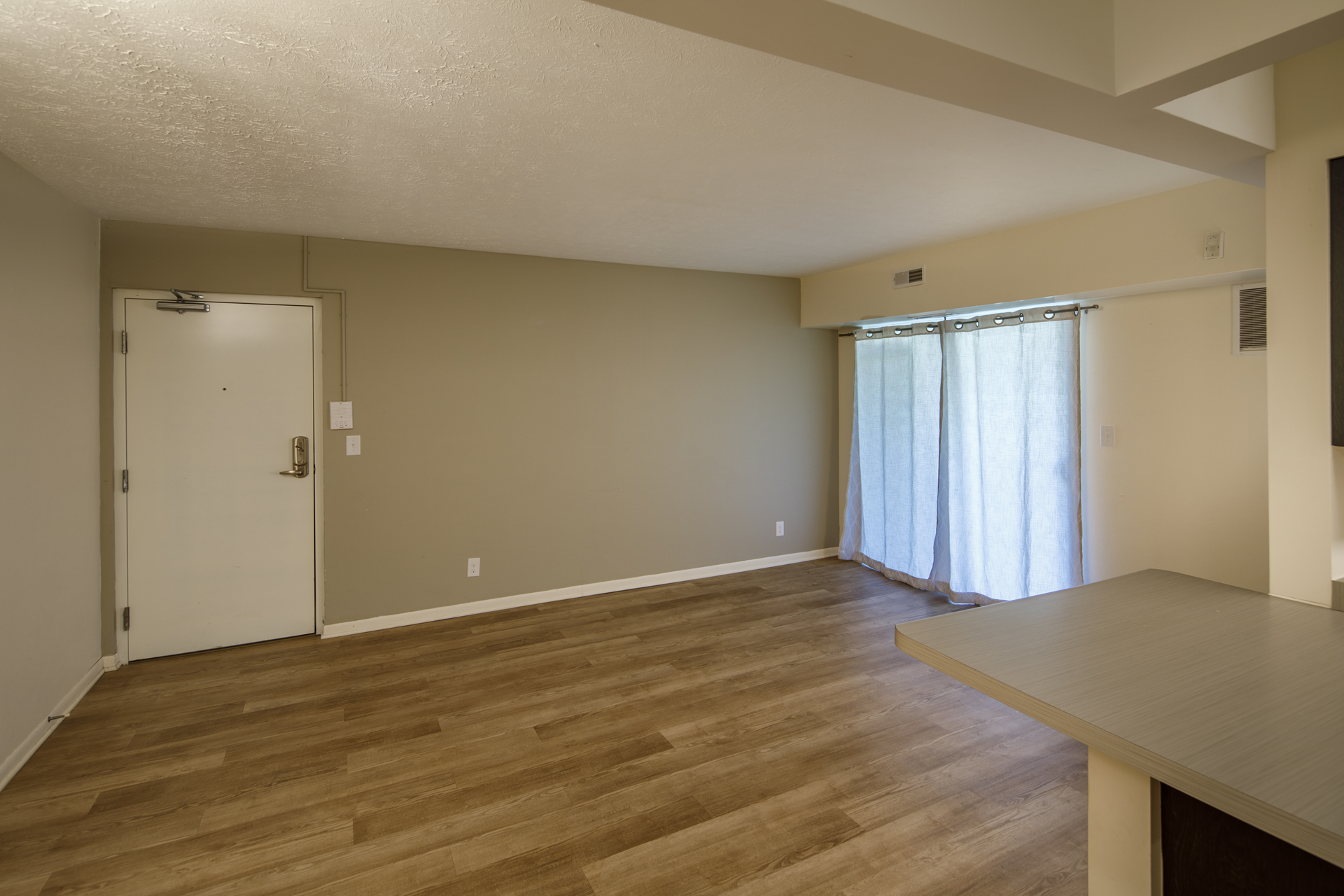
The interior scope of work transformed the residential units to meet modern living
standards. Kitchens, living rooms, and dining areas were reconfigured into open-
concept layouts with new kitchen islands. All units received a complete refresh of
interior finishes, along with replacement of plumbing fixtures, interior doors and
hardware, shelving, and appliances. Mechanical and electrical upgrades included new
HVAC equipment and conversion of all lighting to high-efficiency LED fixtures, improving
comfort and reducing operating costs.
Lilac Hills was financed as a MSHDA 9% Low-Income Housing Tax Credit (LIHTC)
project with the utilization of HUD 221(d)(4) financing. This layered financing structure
required adherence to both MSHDA and HUD review processes, including detailed plan
reviews, environmental compliance, cost analysis, and construction oversight. The
coordination required to satisfy both agencies added a significant level of technical rigor
to the project.
The rehabilitation achieved Enterprise Green Communities Certification, reflecting a
strong commitment to sustainability, energy efficiency, and resident health. The project
integrates durable materials, efficient building systems, improved indoor environmental
quality, and site strategies that support long-term performance.
Lilac Hills represents a successful large-scale rehabilitation that preserved an important
housing resource while substantially improving livability, sustainability, and operational
efficiency. Through careful planning, regulatory coordination, and technical execution,
the project transformed an aging 1970s-era complex into a modern, resilient community
positioned for long-term success.

18 Goodrich St SW, Grand Rapids, MI 49503
616-458-5620
info@destigterarchitecture.com