
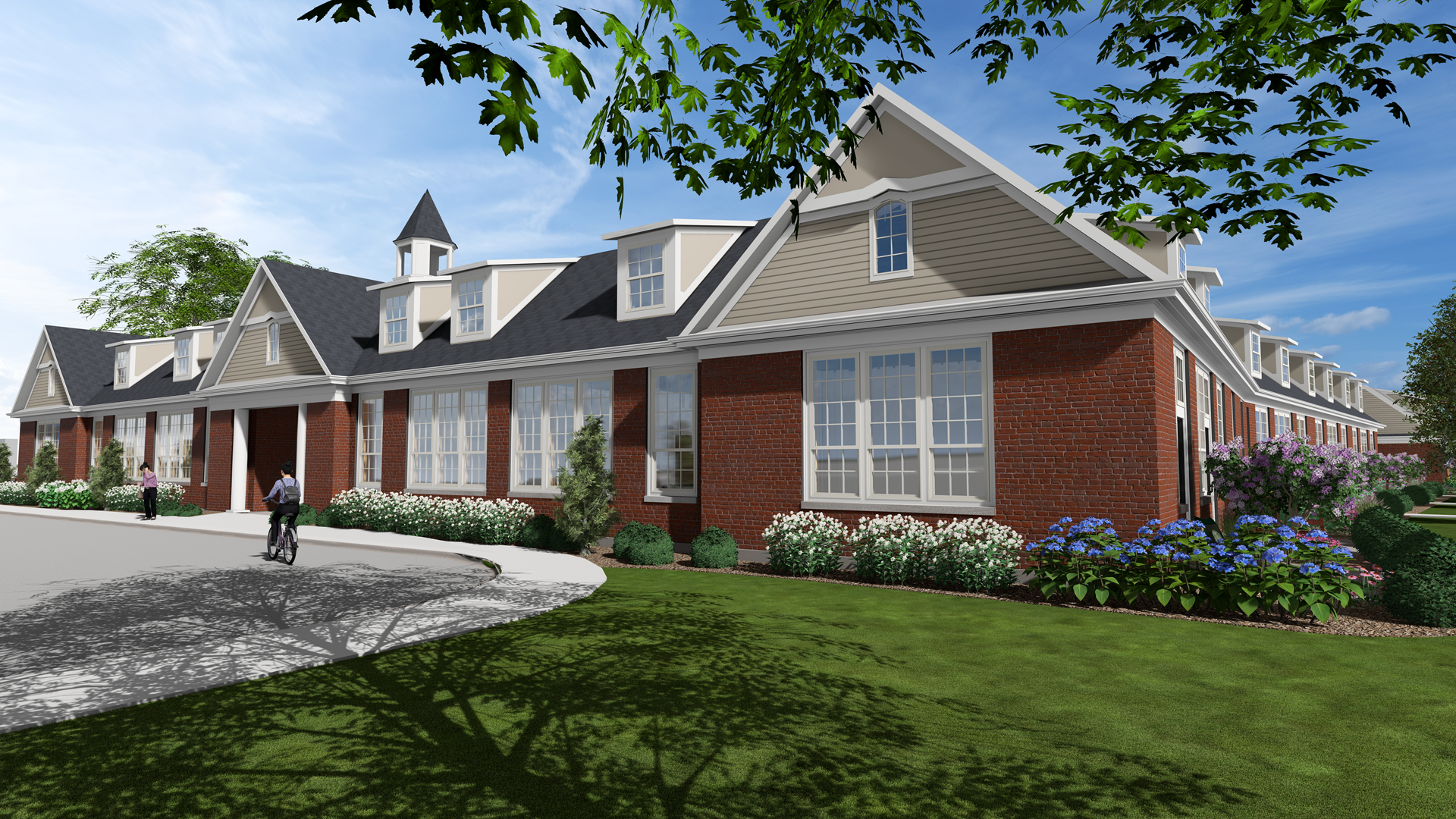
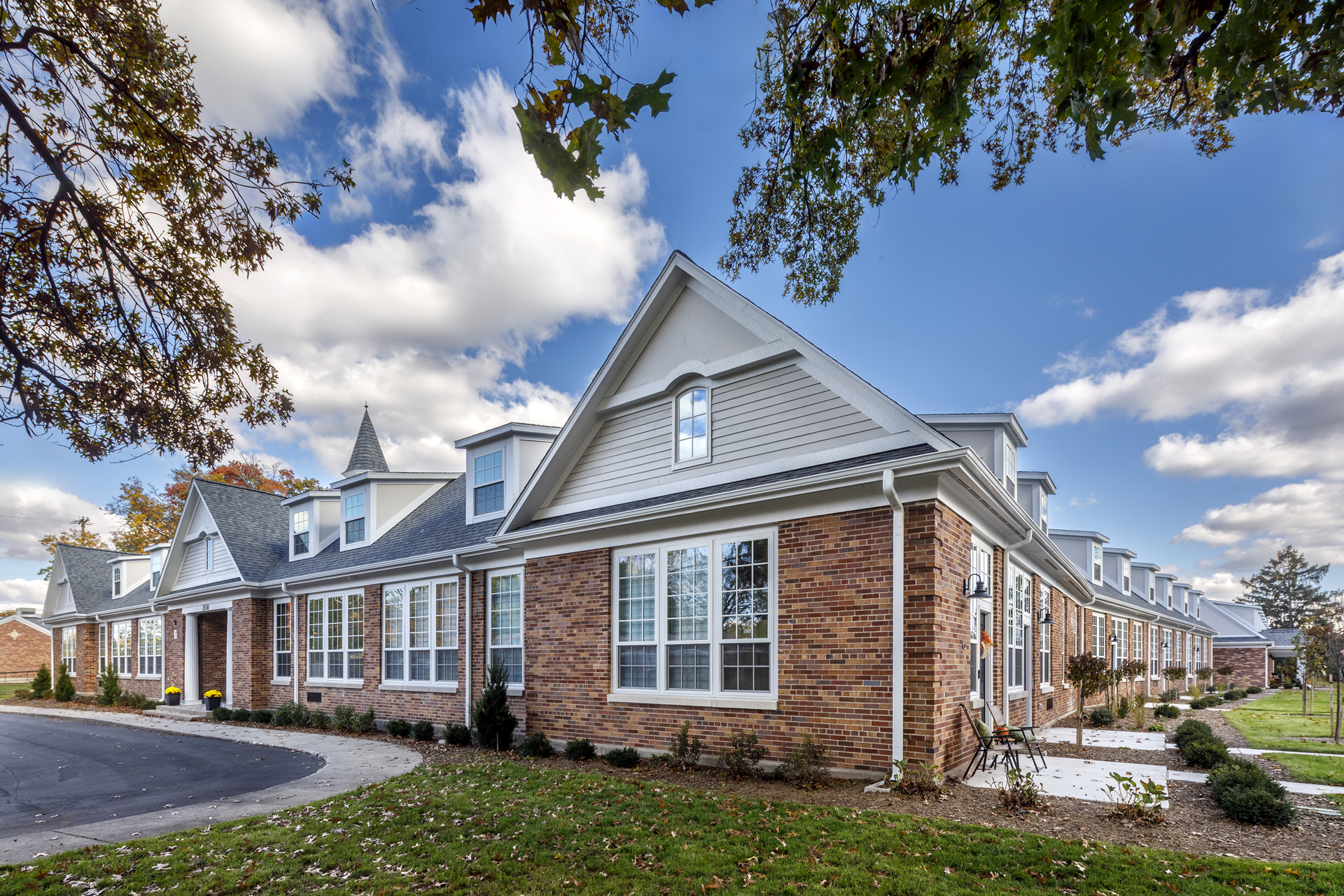
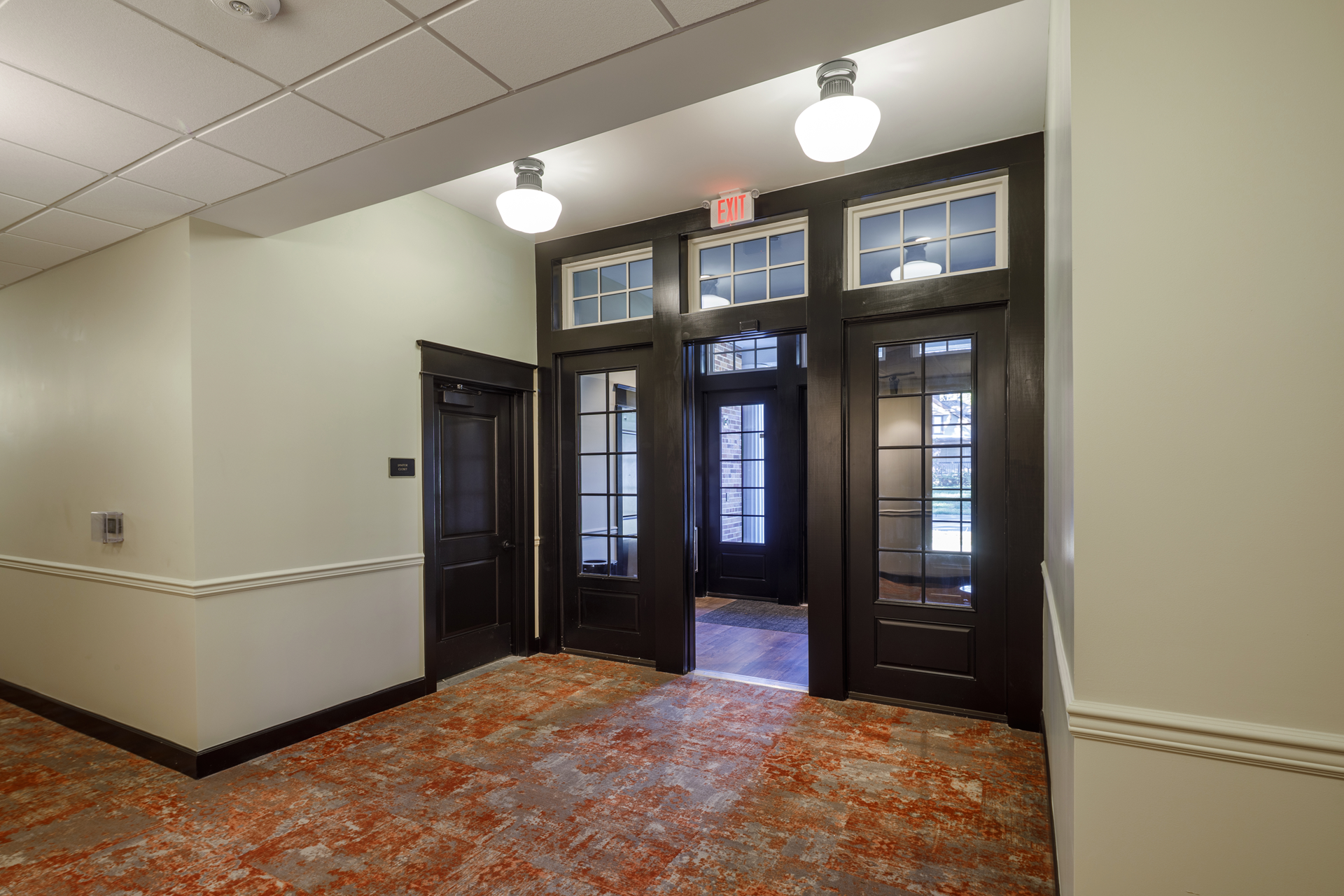
The Seymour is a technically complex adaptive reuse project that transformed a former
Christian school building into a thoughtfully designed residential condominium
community. Originally constructed in 1941, with subsequent additions in 1944 and 1947,
the one-story institutional structure required extensive evaluation and strategic
intervention to support its conversion to residential use while respecting the scale and
character of the original building.
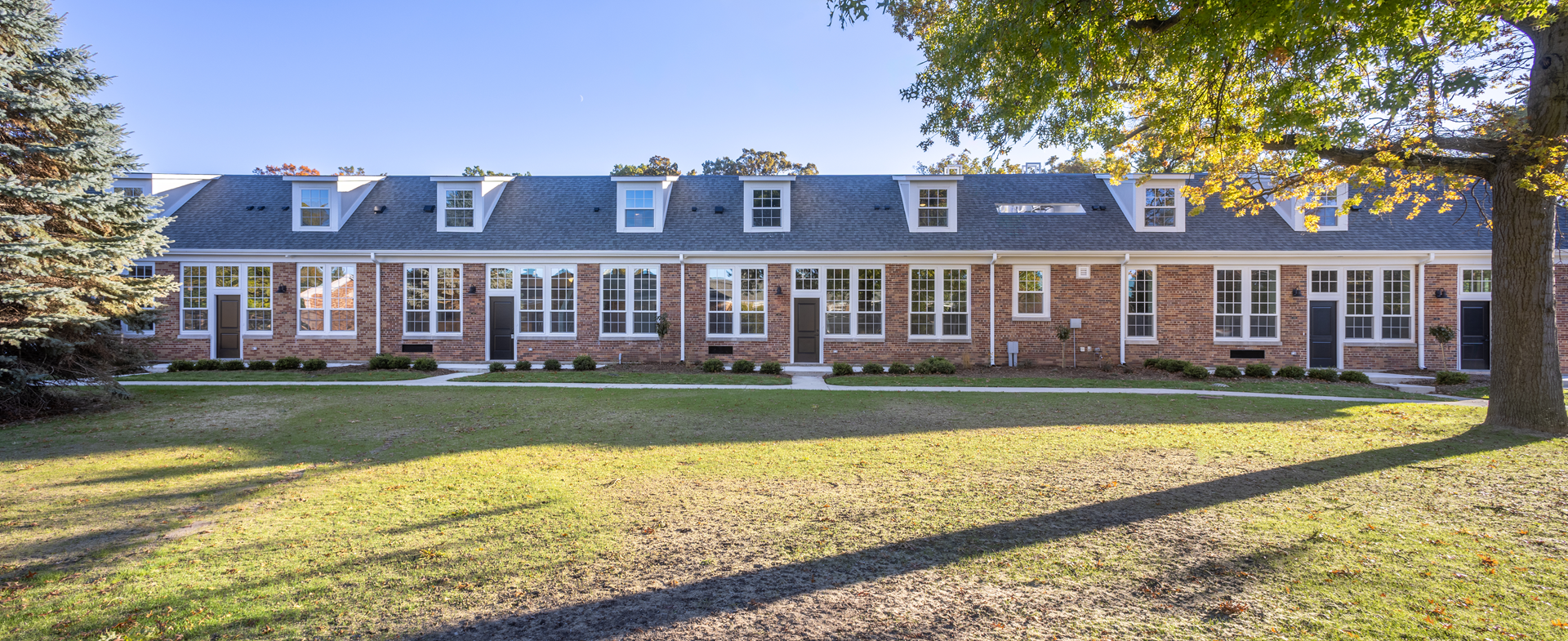
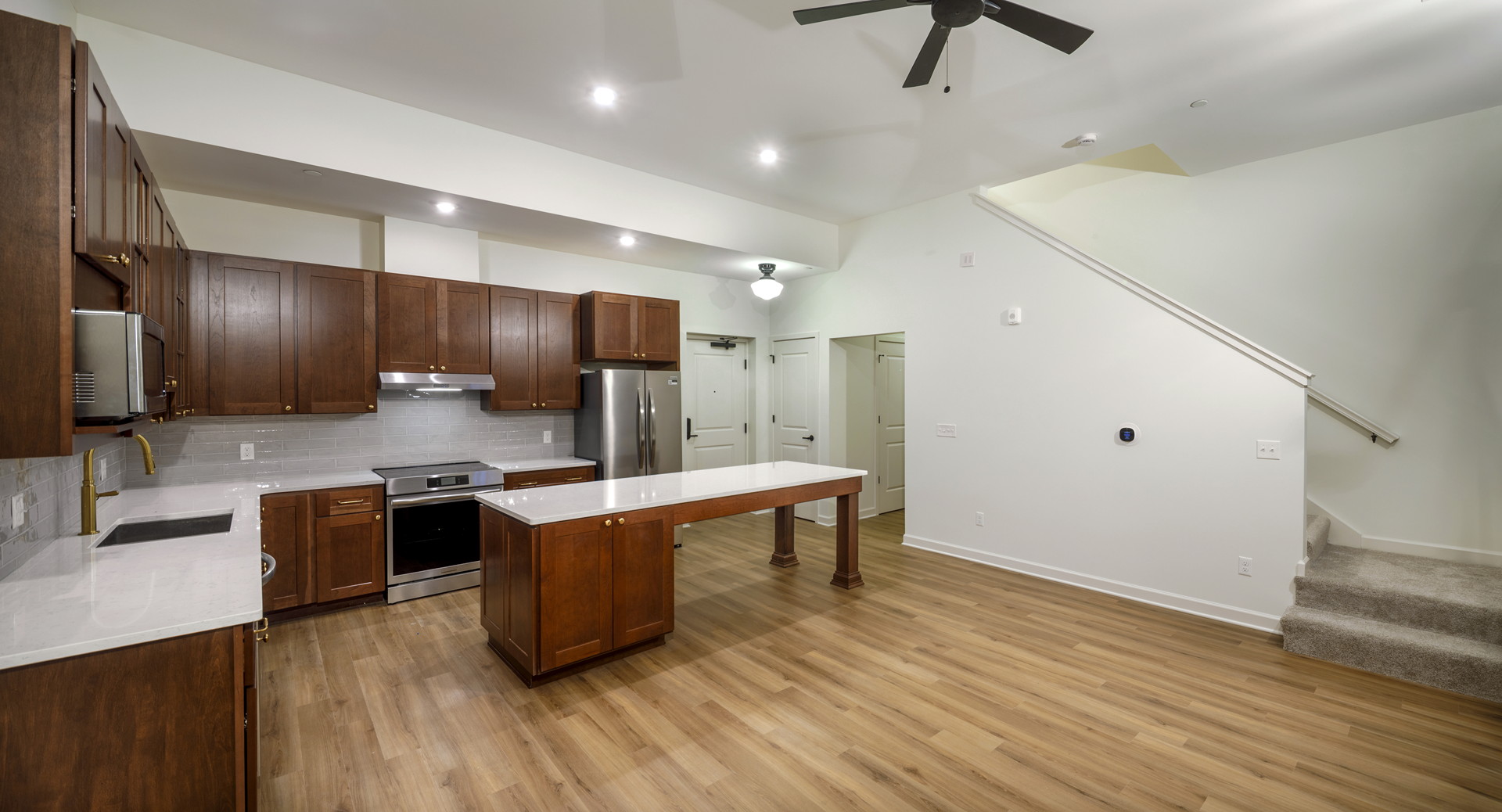
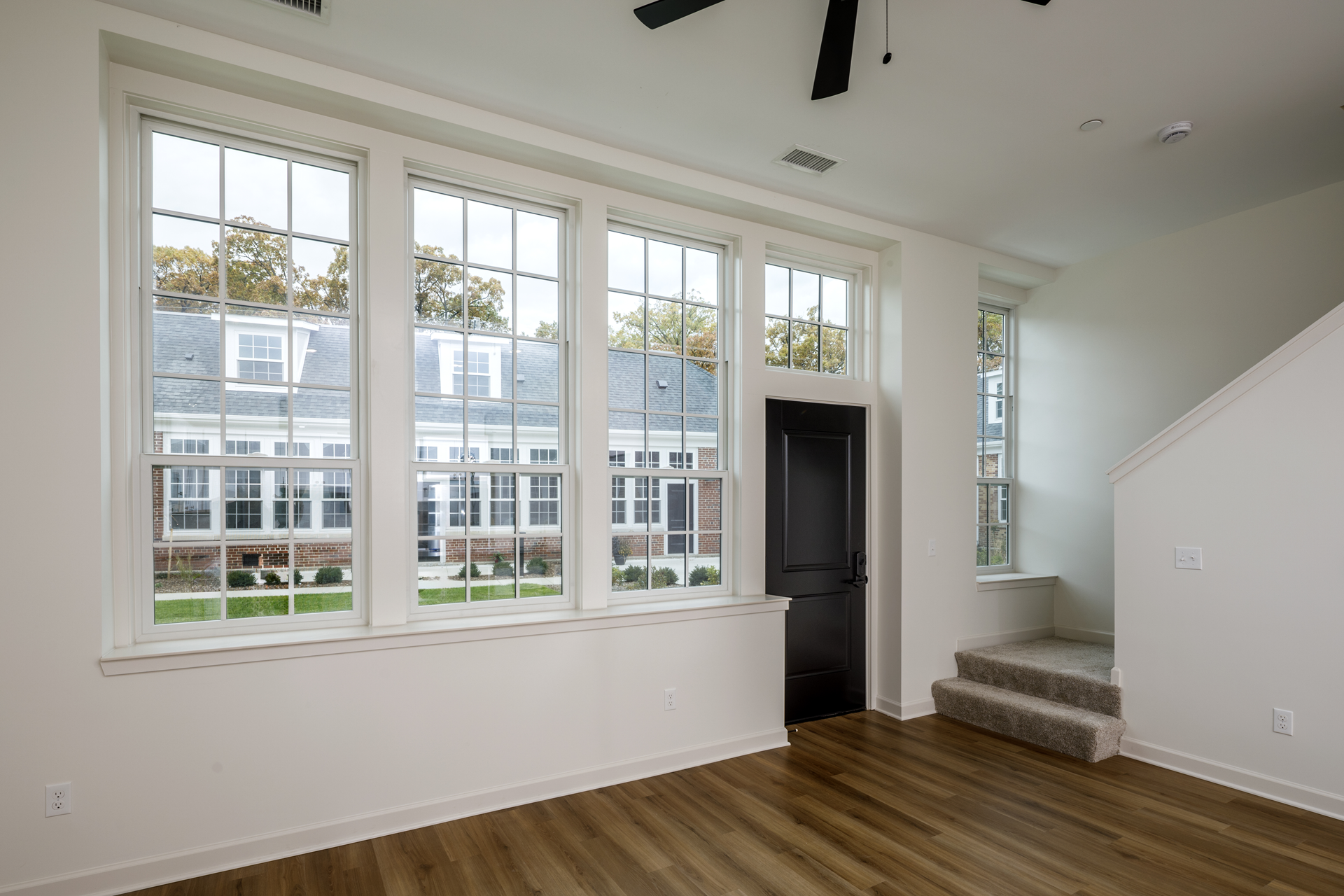
A defining element of the project was the removal of the existing roof structure and the
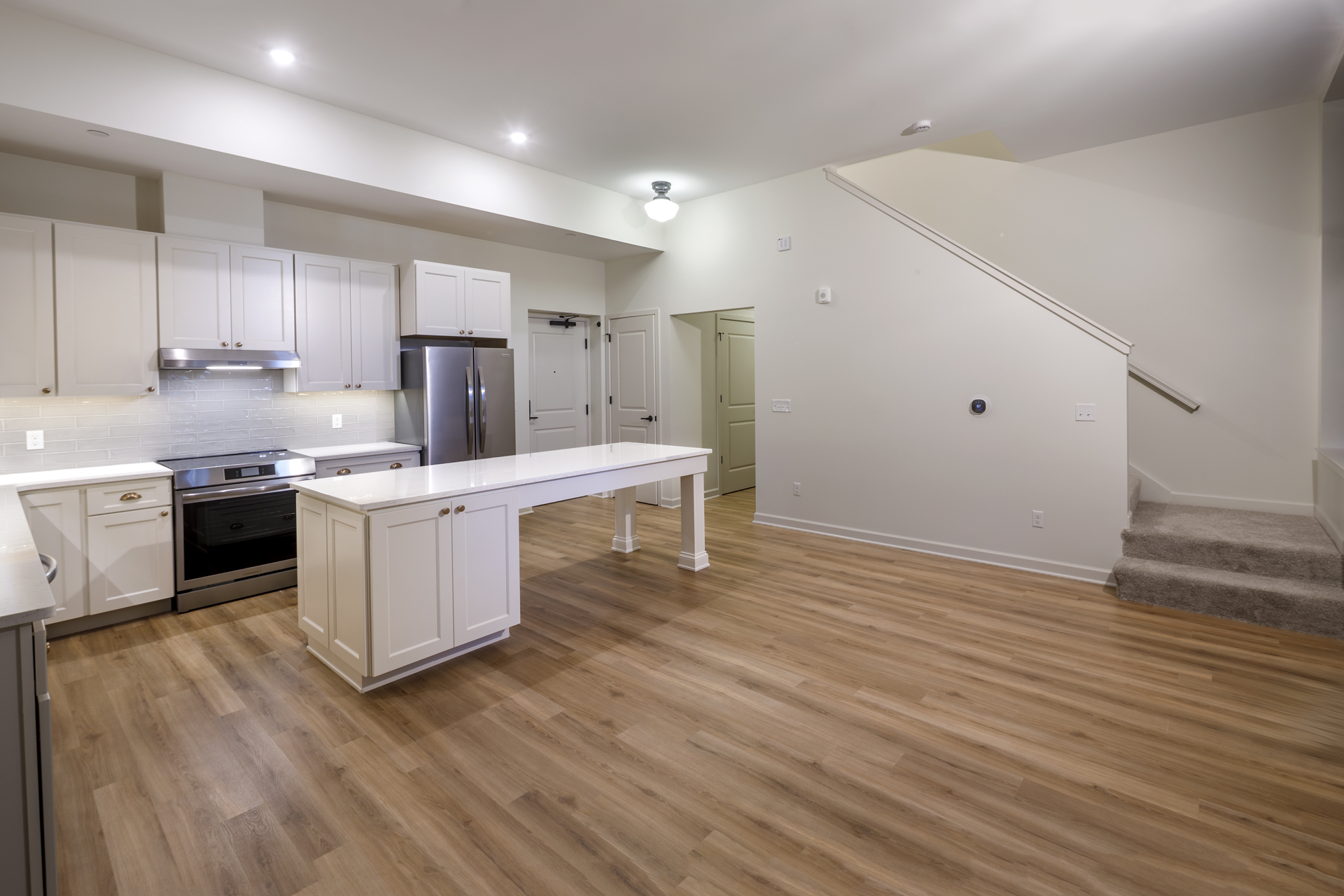
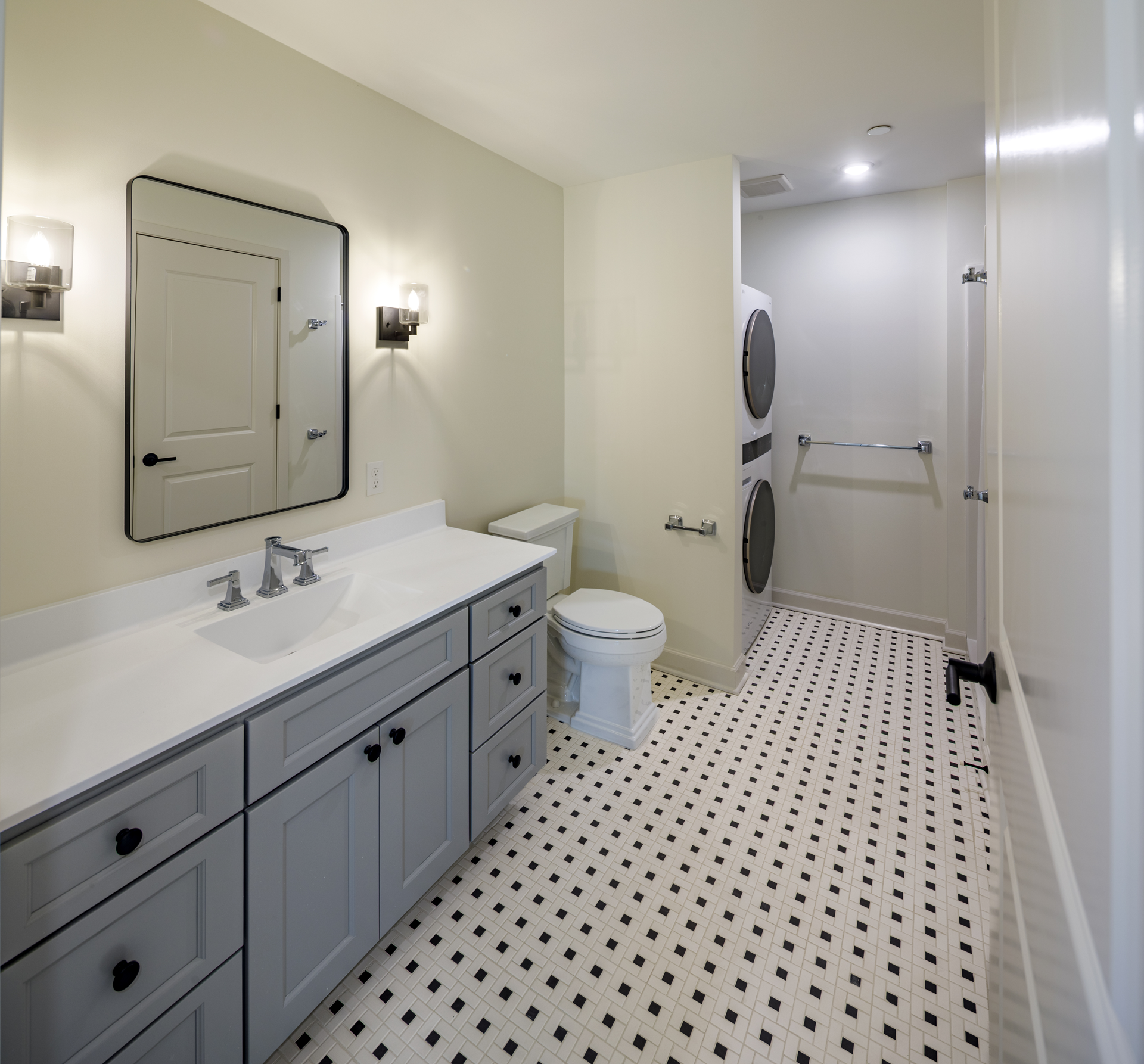
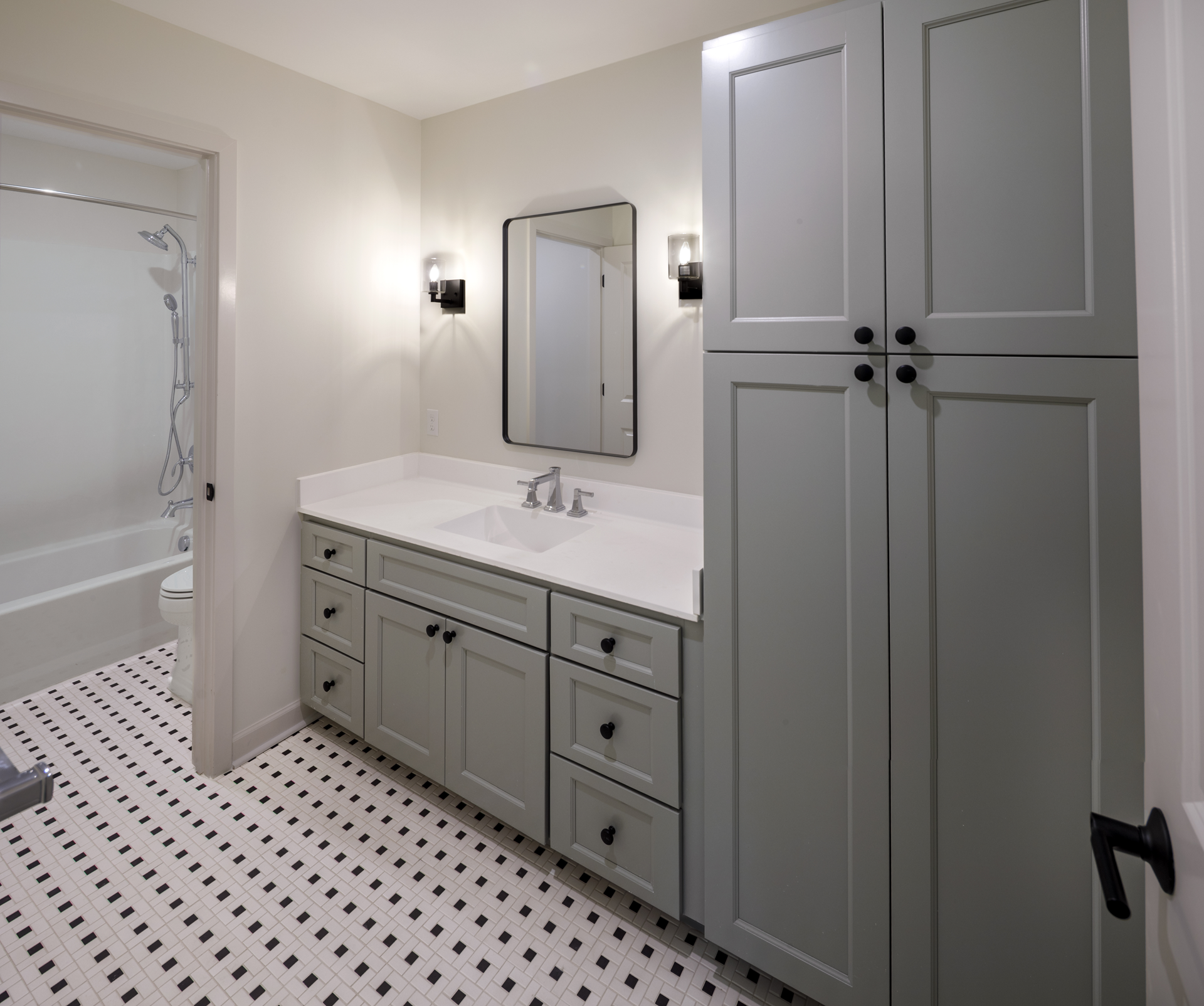
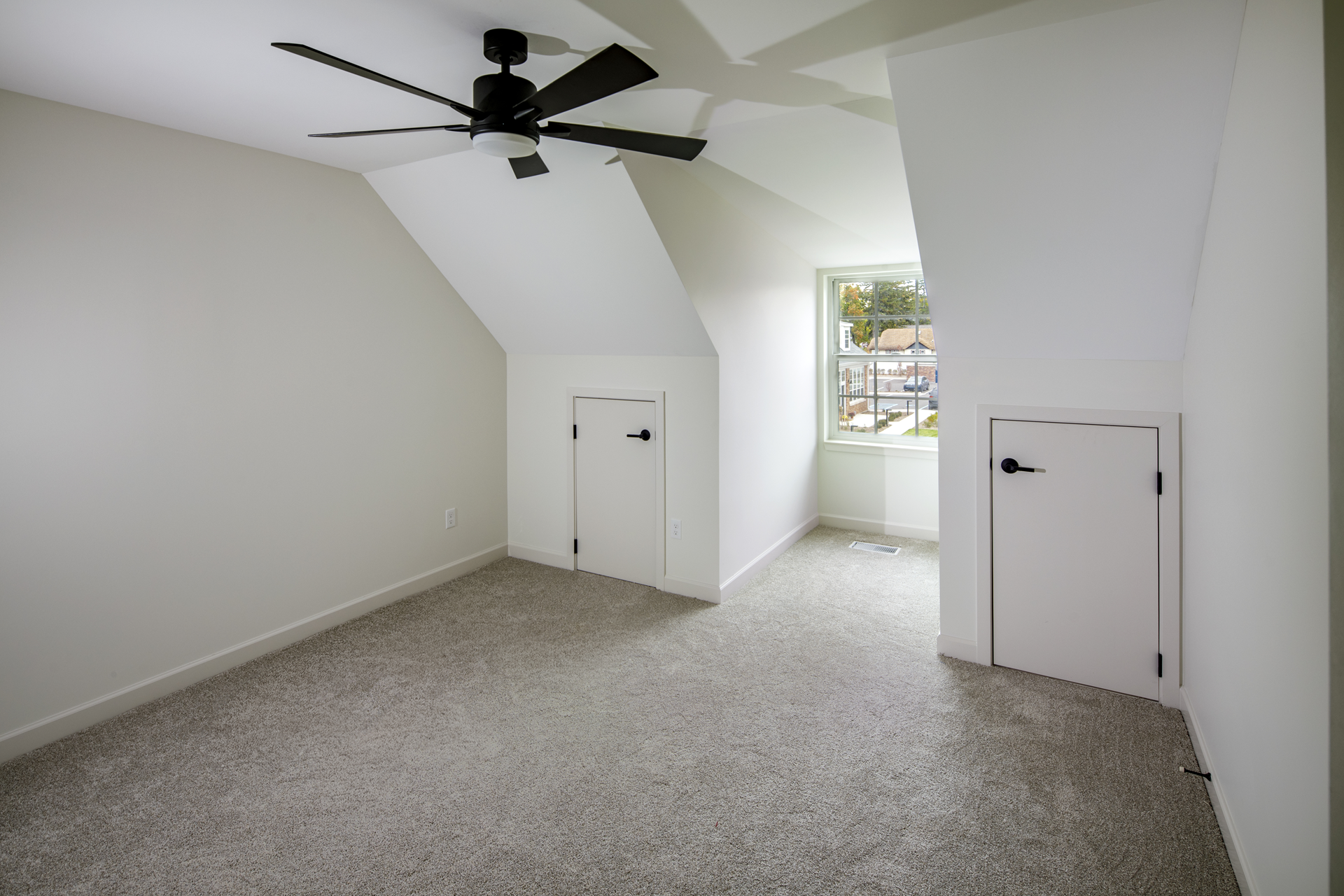
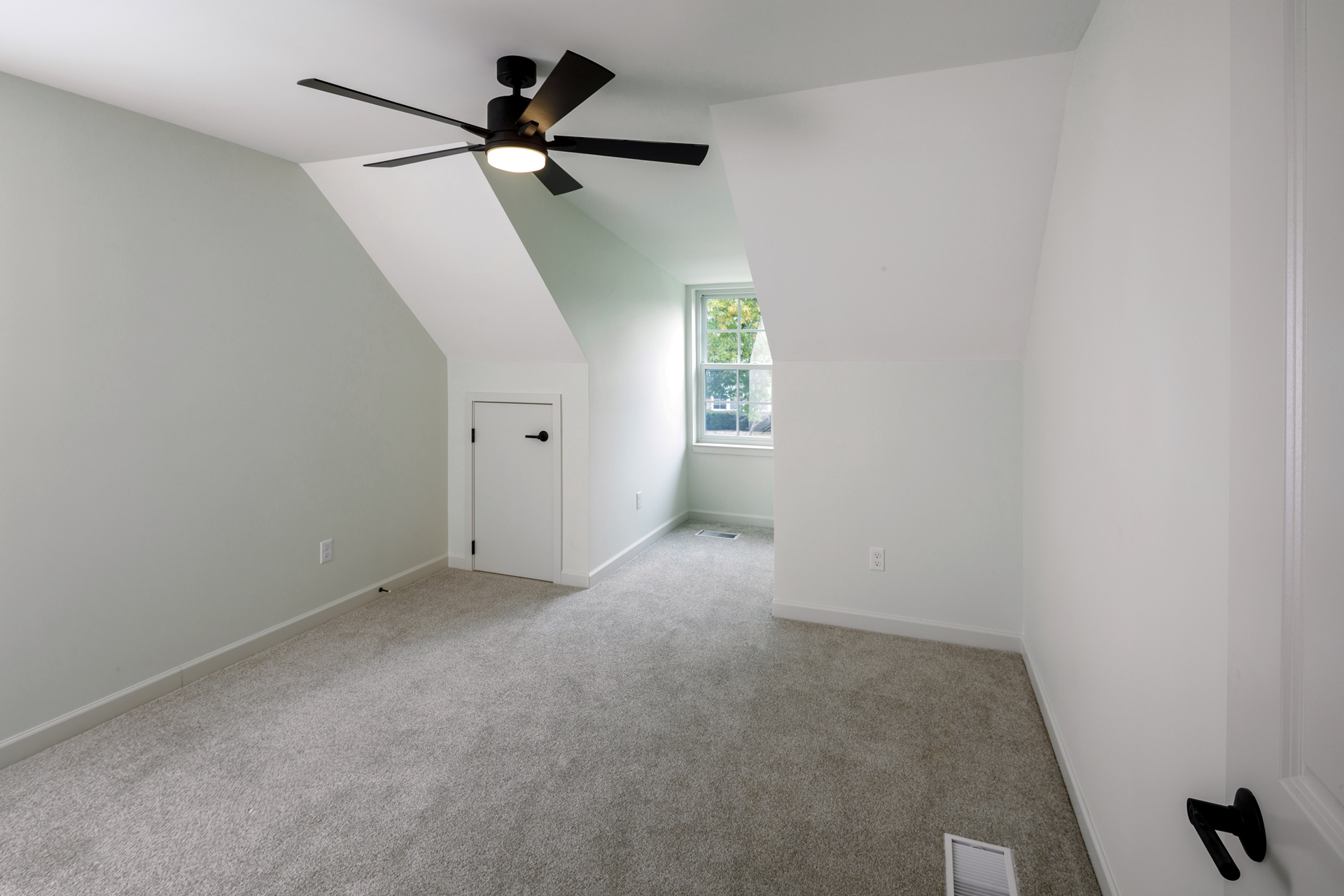
insertion of a new second floor within the original footprint. This intervention created
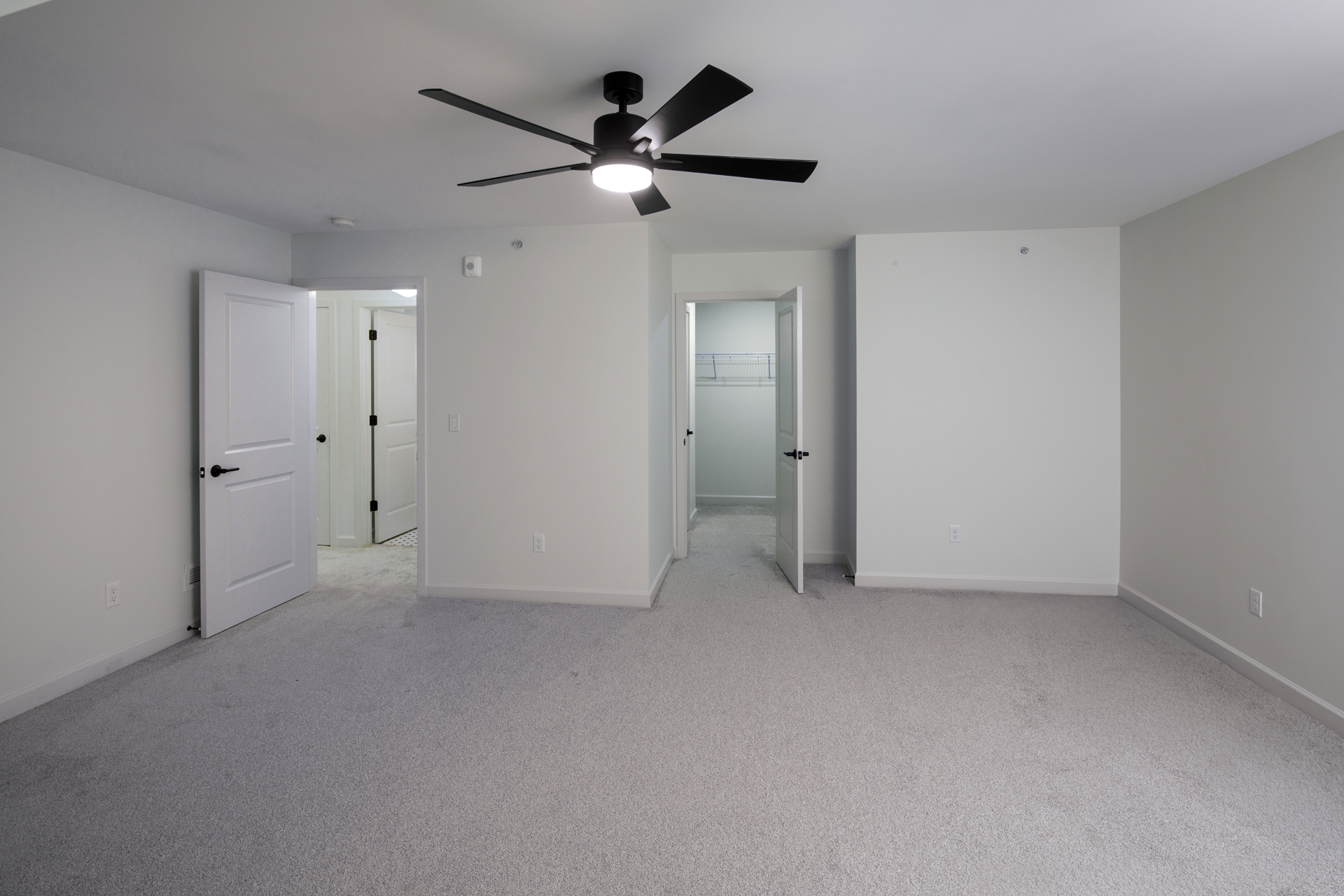
bedrooms, bathrooms, mechanical closets, and storage spaces, utilizing dormers to
introduce natural light and usable headroom. Executing this approach demanded
rigorous structural analysis, precise detailing, and careful coordination of new floor
framing, building systems, and life-safety requirements within the constraints of the
existing walls and foundations.
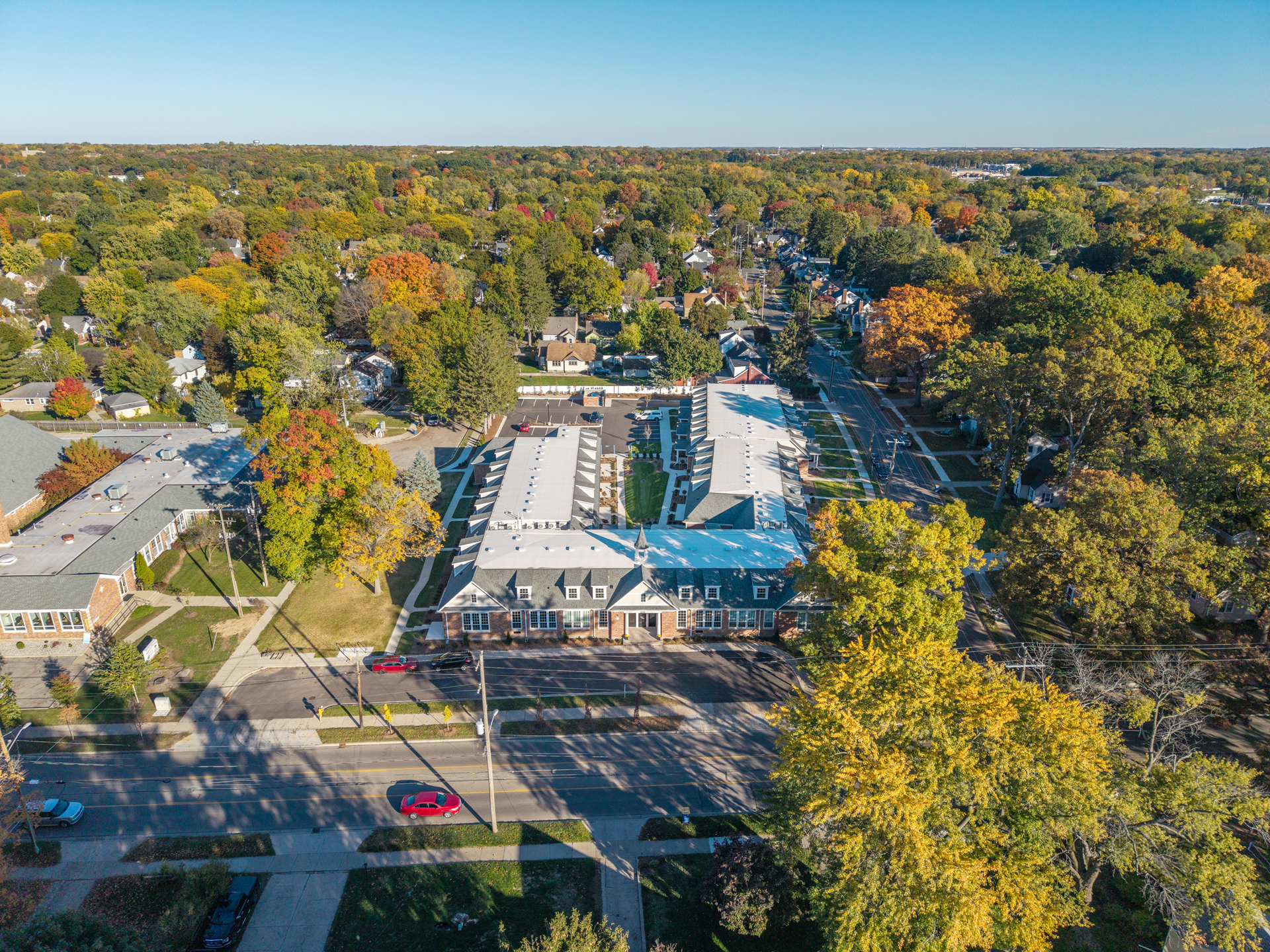
To expand the residential program, a new two-story addition was constructed on the
southeast wing to accommodate eight additional condominium units. The addition was
designed to complement the historic building through compatible massing, materials,
and proportions, requiring close alignment between architectural expression and
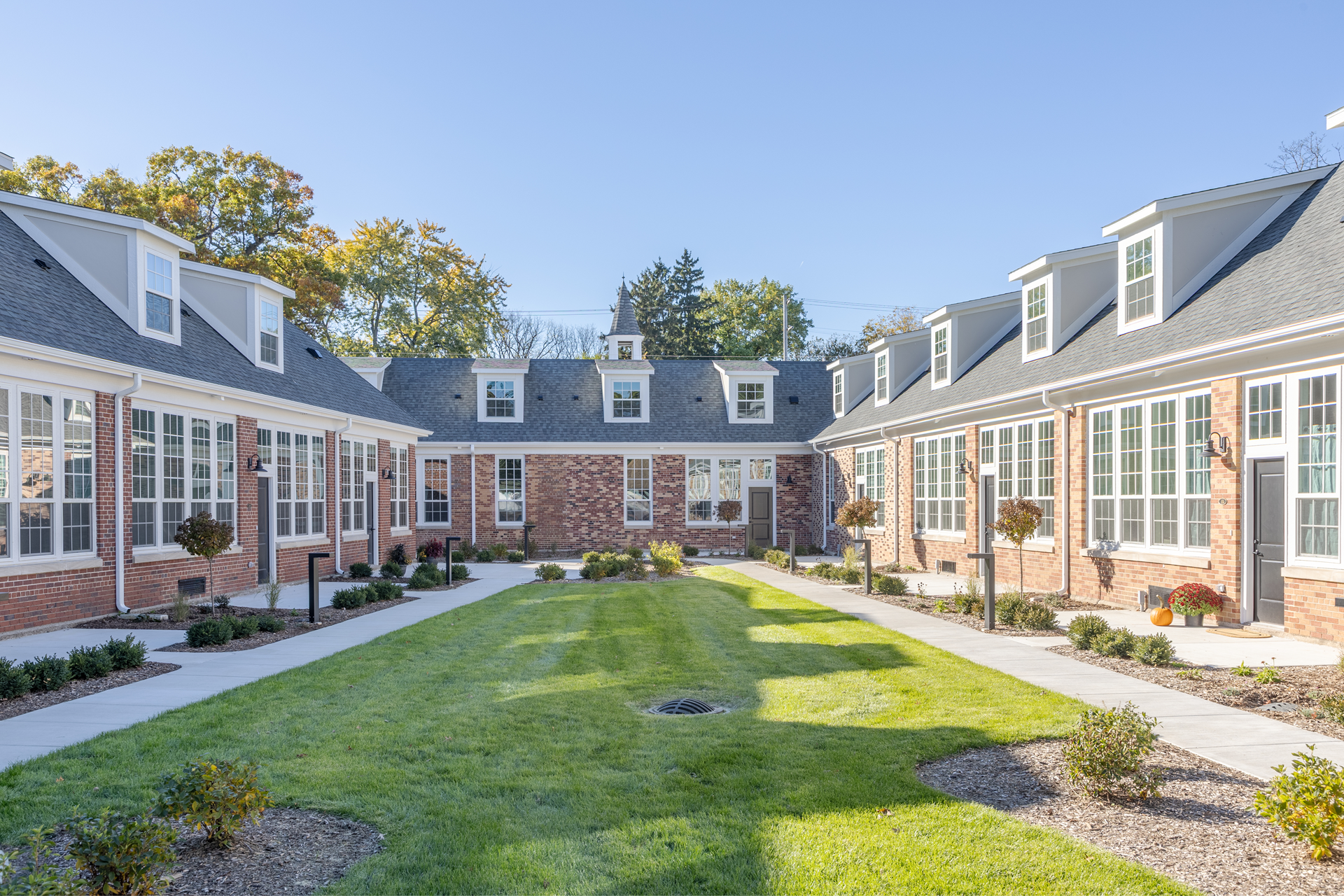
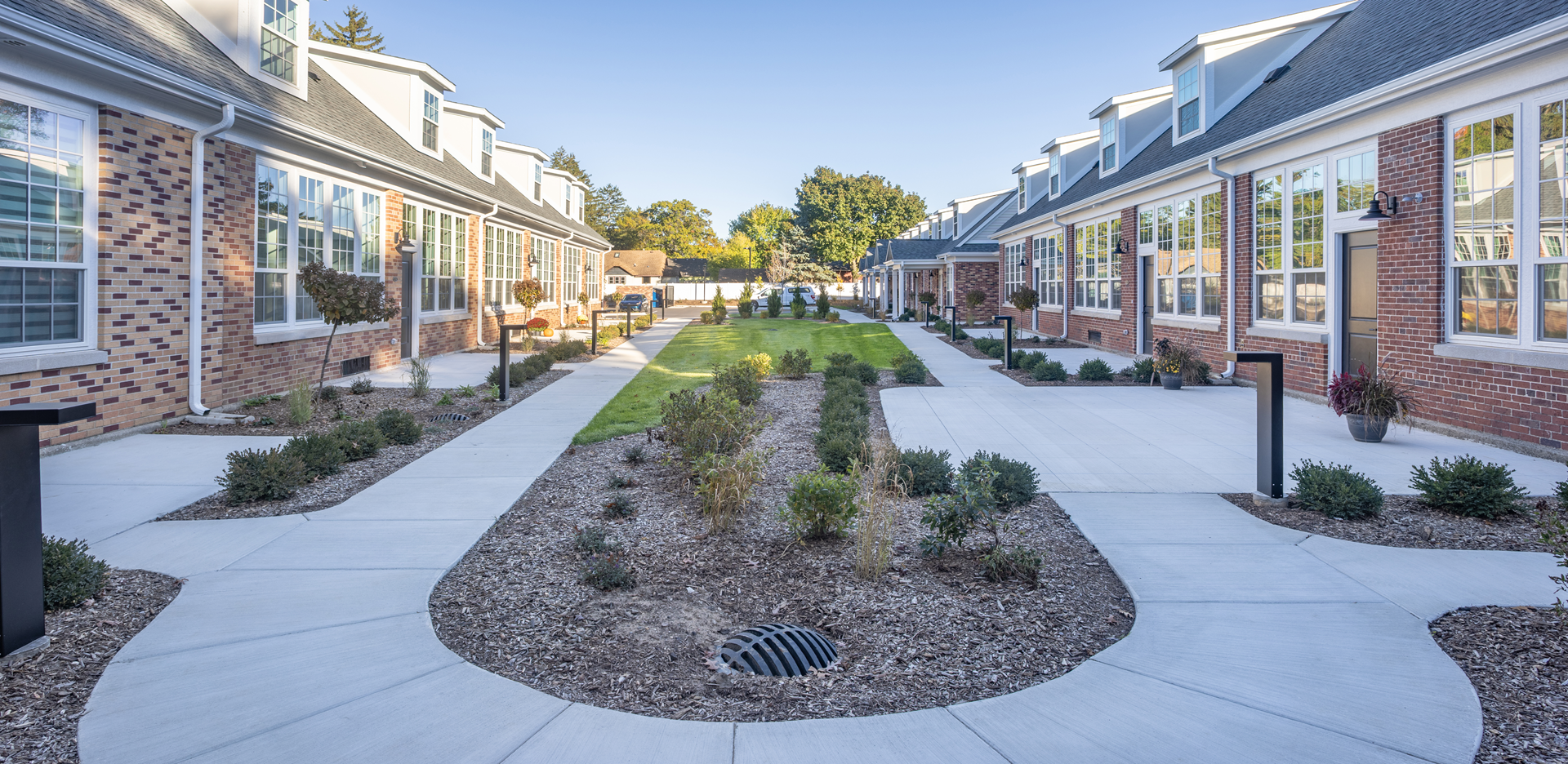
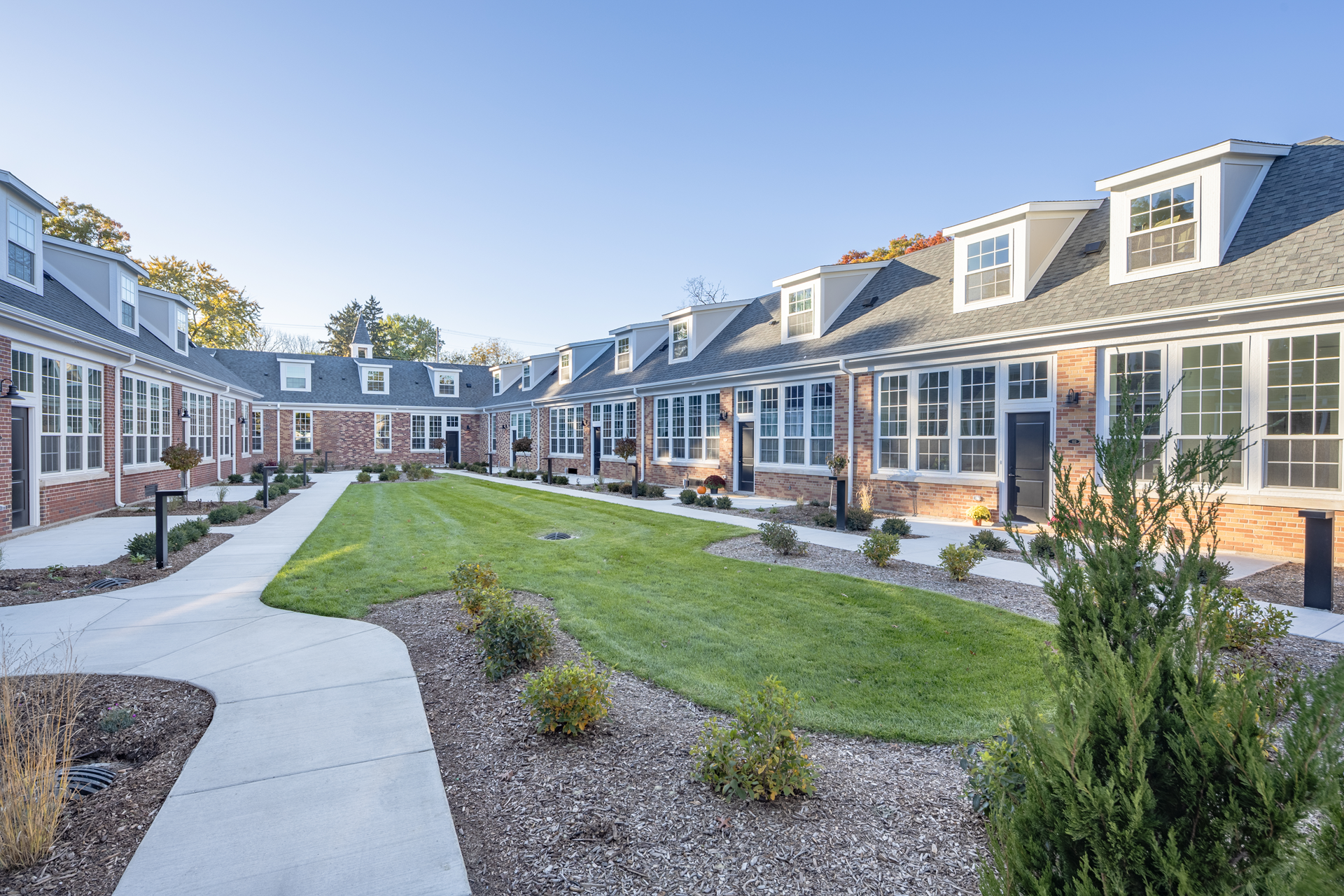
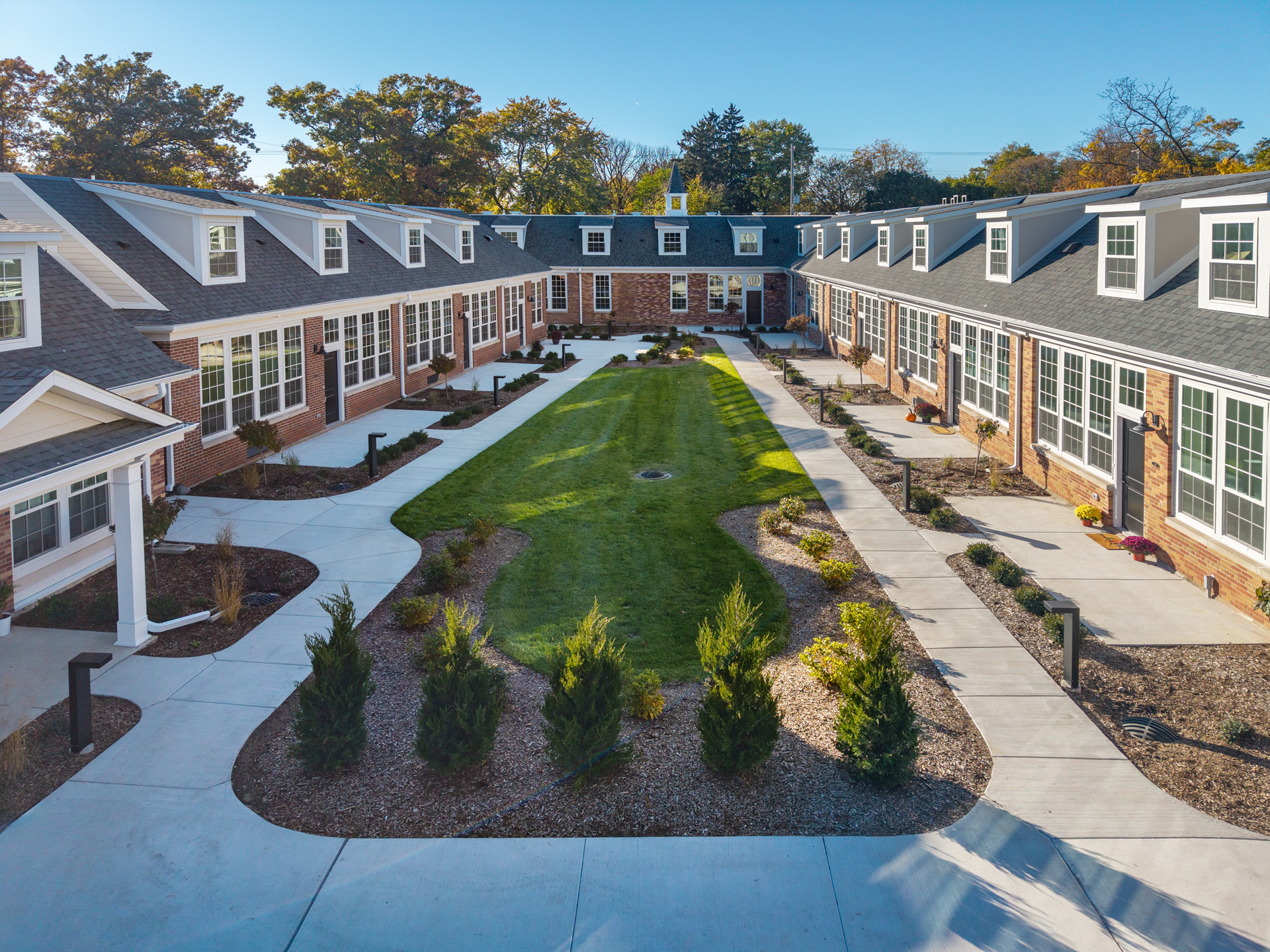
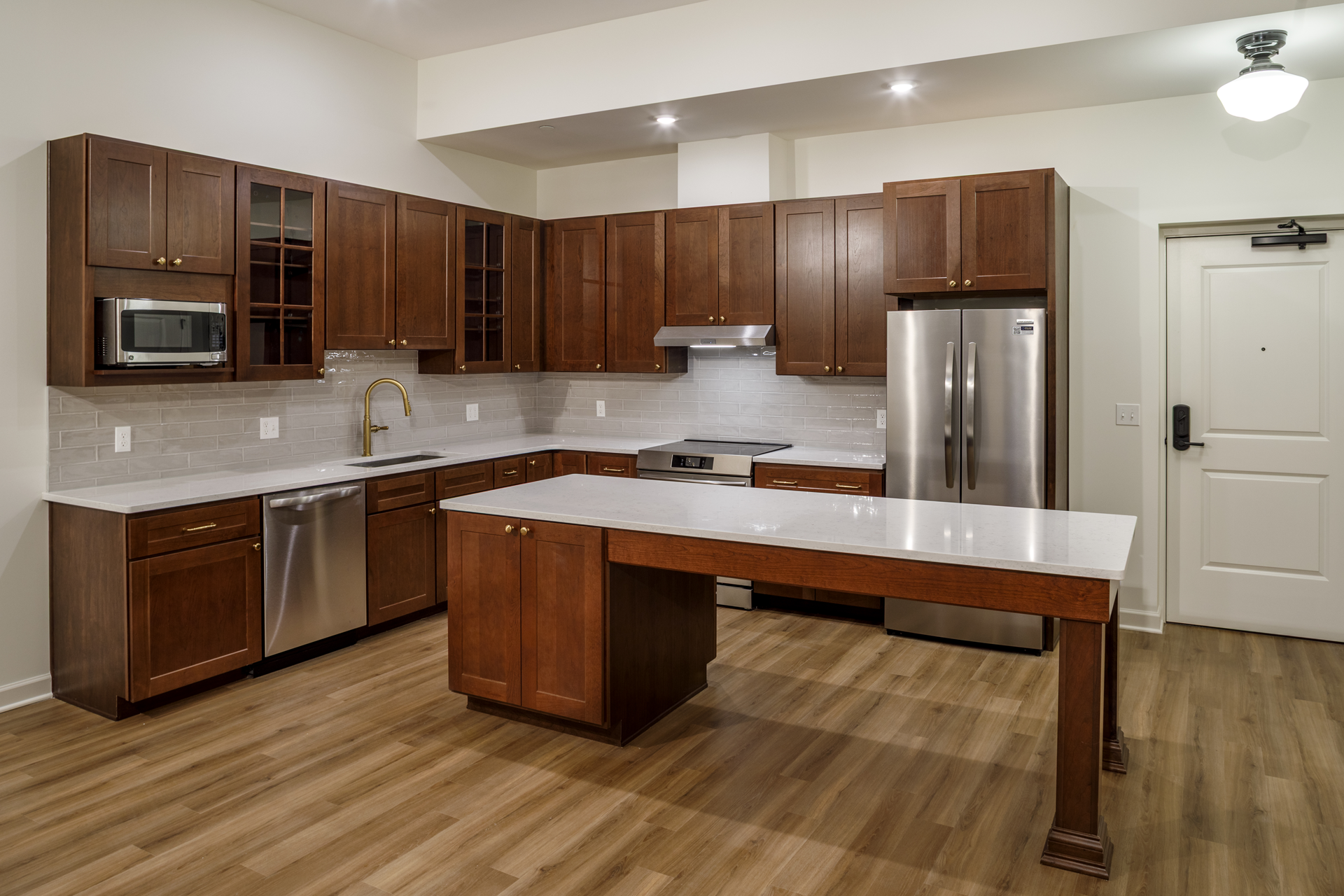
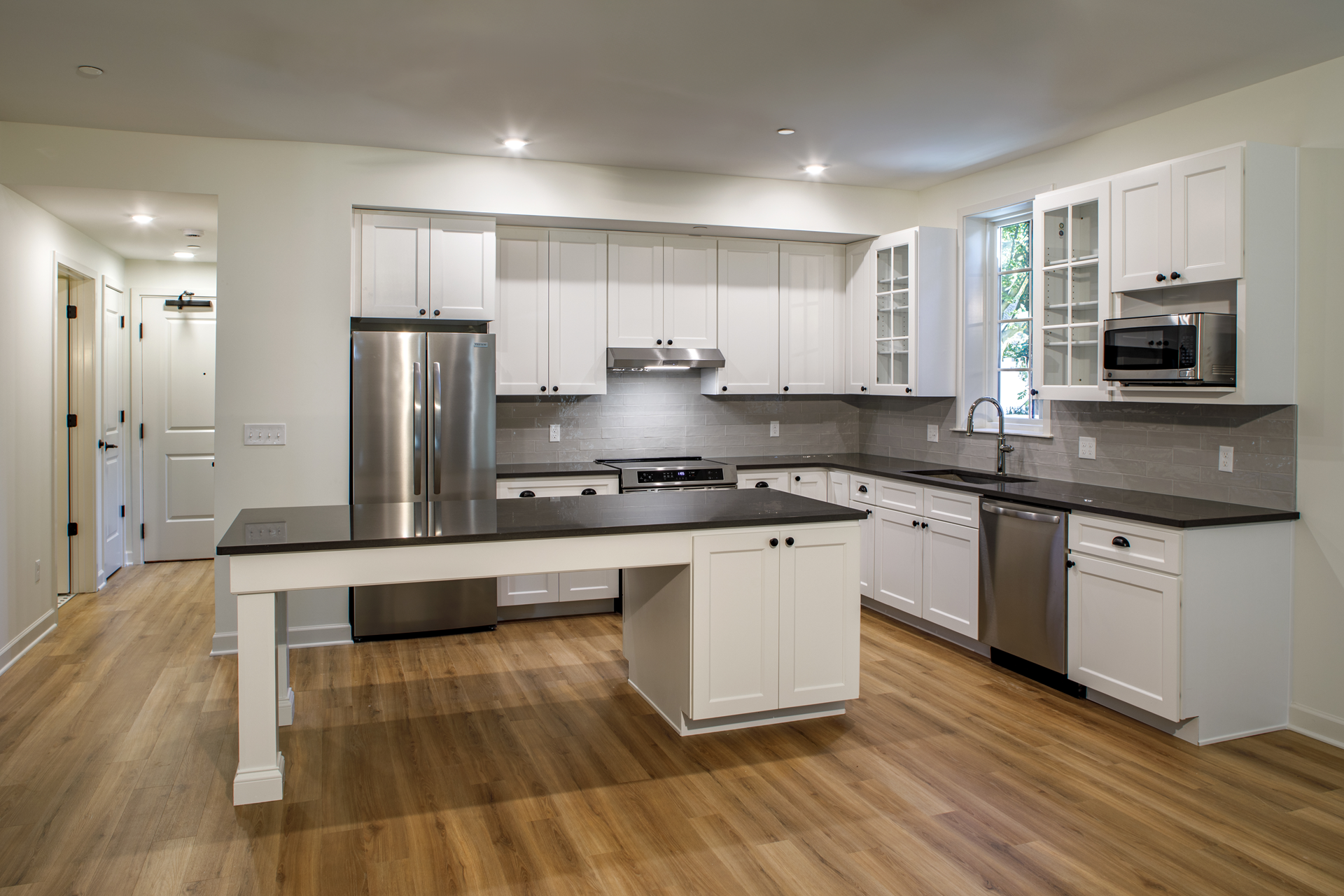
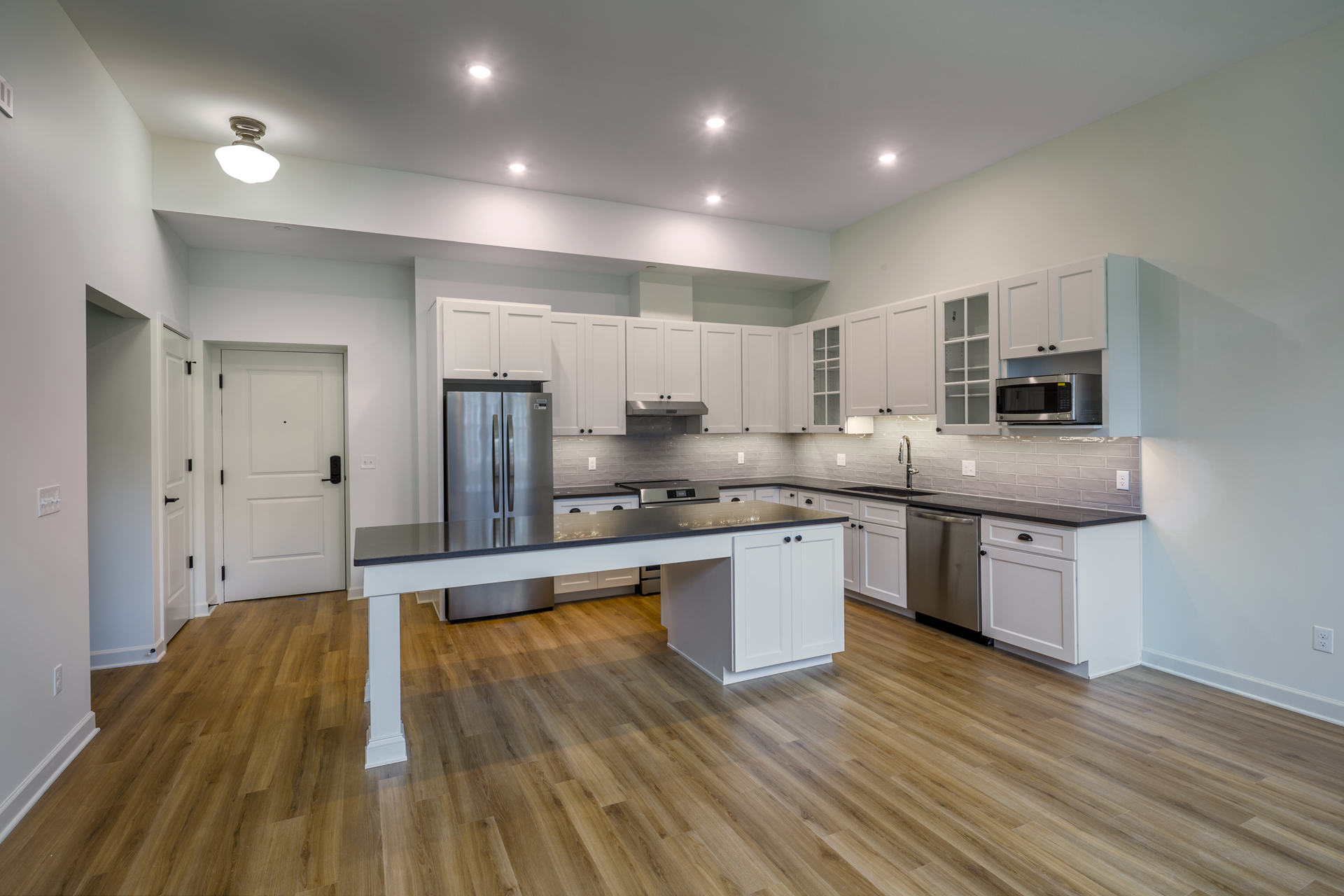
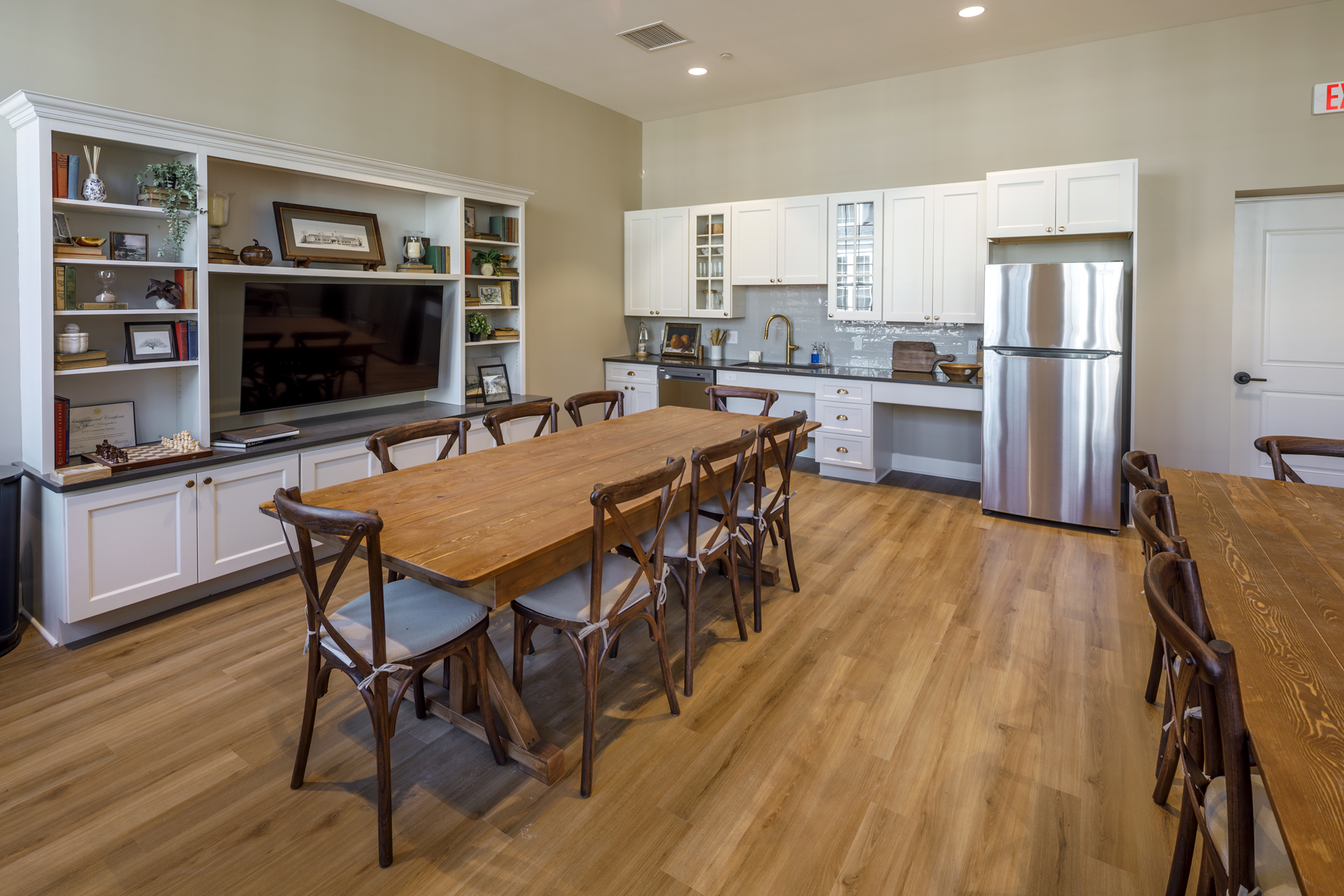
structural and envelope performance. The completed development includes 27
condominium units, a shared community room, and a central exterior courtyard that
supports resident interaction.
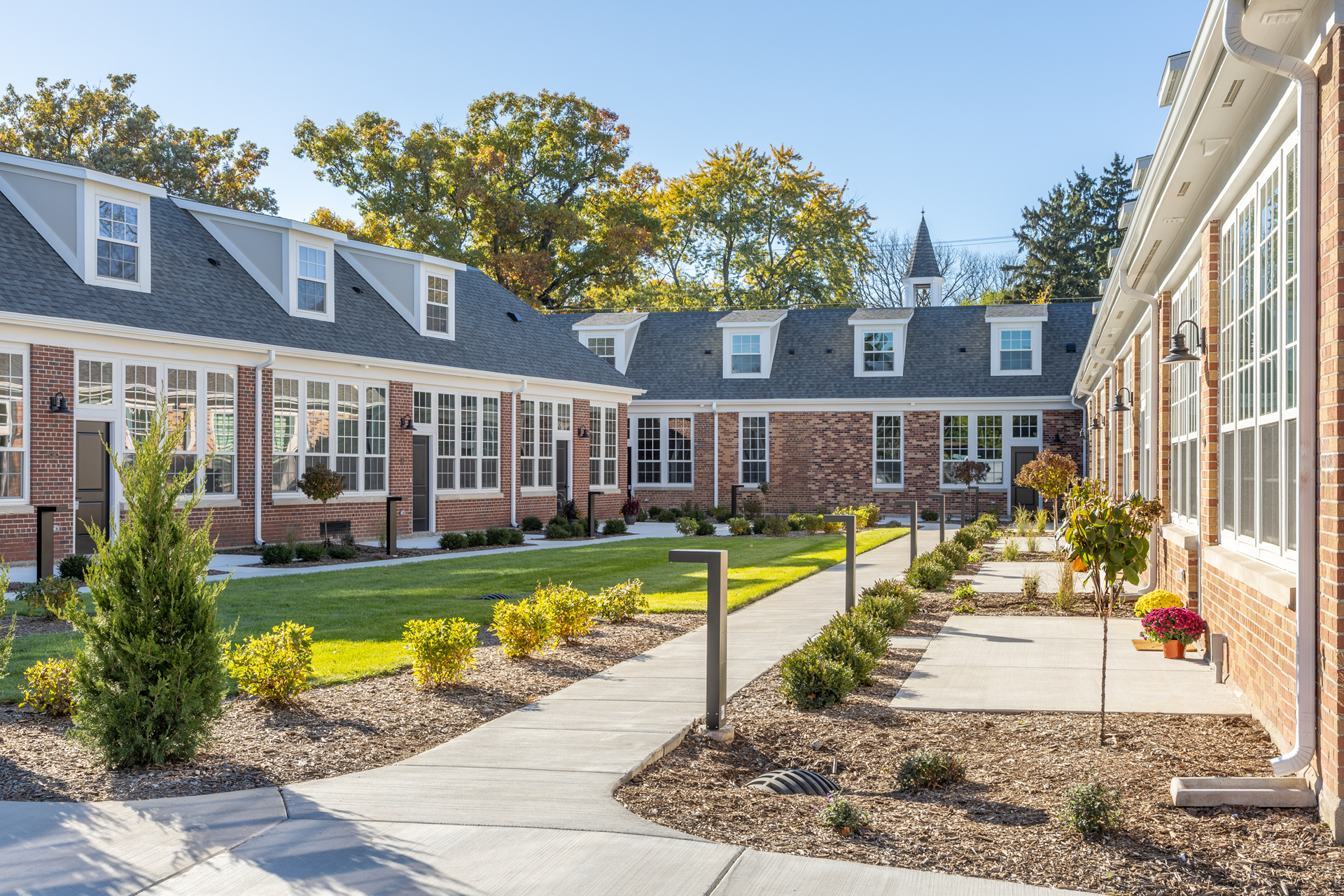
Site improvements were integral to the overall redevelopment and included construction
of a new parking lot, site cleanup, and the addition of new pedestrian walkways and
outdoor furniture to activate the courtyard and surrounding areas. Throughout the
project, technical rigor was essential to coordinate new construction with existing
conditions, integrate modern mechanical and electrical systems, and meet current
residential and accessibility codes.
The Seymour exemplifies how disciplined planning, detailed documentation, and
precise execution can successfully reposition a modest historic structure into a
contemporary residential community, extending the life of the building while delivering
high-quality housing within a cohesive and carefully crafted environment.

18 Goodrich St SW, Grand Rapids, MI 49503
616-458-5620
info@destigterarchitecture.com